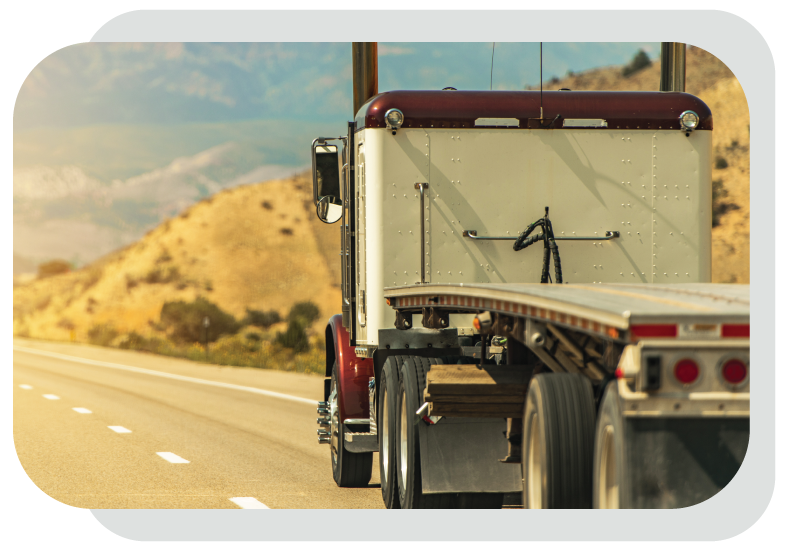
Here's a strange question worth asking: why does it feel harder than ever to get a flatbed truck lately? Not a dry van. Not refrigerated freight. The flatbed specifically: the workhorse for steel, heavy equipment, and building materials that can't go inside a box.
If it's harder to book one, and shippers are paying more for it anyway, that's not an inconvenience. That's a signal.
What's Actually Happening to Flatbeds
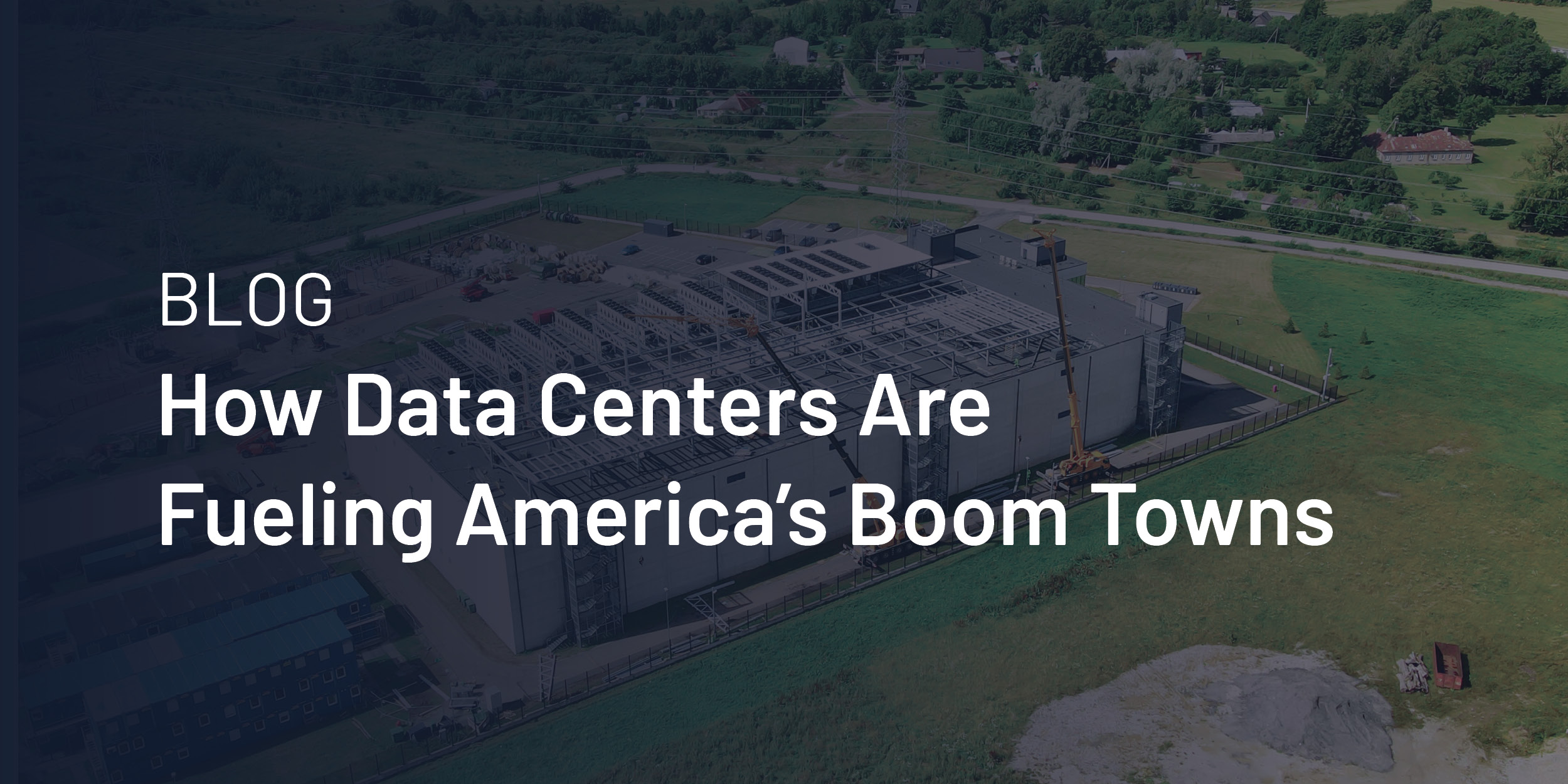
Mega projects — large-scale plants, infrastructure builds, major facilities — don't just need workers. They need materials moved in at a scale that strains local freight capacity. Steel, equipment, building supplies, all of it has to get to the site, usually on a flatbed, usually on a deadline.
At the same time, the housing and businesses that spring up to support the project's workforce generate their own freight demand — lumber, fixtures, supplies for new construction happening all around the project site.
The result: trucks that used to have downtime are running harder, longer, and with less slack in their schedule than they've had in years.
What a Flatbed Shortage Means for Fleets and Distributors
When freight demand runs this hot, service windows shrink. Trucks are on the road more, which means more wear, more parts, and less flexibility to bring a truck in for maintenance before something breaks.
And when something does break mid-load, the operator doesn't drive back to their usual shop. They stop at whoever is closest. That's not just a lost repair — it's a lost relationship. Operators build habits around whoever shows up when they need it, and those habits are hard to undo once they're set.
Why This Isn't Temporary
Mega projects run for years, not months. The freight demand they create — moving materials in during construction, then supporting the population and businesses that follow — doesn't spike and disappear. It builds, plateaus, and stays elevated for the life of the project and beyond.
The Real Cost of Falling Behind
The distributors and service providers who come out ahead aren't the ones with the most trucks or the biggest lot. They're the ones who can stay in front of operators before a breakdown forces the issue — proactive outreach, scheduled service reminders, fast answers when a truck does need help.
Reactive shops lose accounts one breakdown at a time. Proactive ones own the relationship from the first mile to the last.
Worth Watching
If flatbed capacity feels tighter in your market, or fleets you work with are running harder than usual, a mega project nearby is a likely cause — and the pressure on capacity and service is only going to build from here.


.jpg)